
The Golden Age of Thomism
ISTA. Lecture 12. A Brief History of Thomism, part 1: from 1401 to 1800
[The study of truth is a spiritual discipline, and theologians are borne on their knees. I instruct the reader to begin this, and every lecture, by elevating his mind to God. I suggest Saint Thomas’ Prayer Before Study.]
In last week’s lecture, On the Genesis of Thomism, I began proposing my reader a brief exposition on the History of Thomism.1 While last week’s lecture revolved around the period between 1274 and 1400, this week we move on to the subsequent period, from 1401 to 1800, which can uncontroversially be called the Golden Age of Thomism.
General Overview
The period we are covering today is wide and rich in historical events. The Western Schism ended, but the lingering threat of Conciliarism remained a problem. The fall of the Byzantine Empire (1453) and the invention of the printing press (c. 1450) allowed the rapid and massive diffusion of Thomistic texts. The Protestant Reformation (1517) required a vigorous Catholic response, with Thomists on the battlefront. The discovery of the New World fostered the expansion of Thomism beyond the seas. Peter Lombard’s famous Sentences was definitively overthrown by the Summa Theologiae, which became the manual for theological studies in European universities. Finally, the school was divided into two opposite sides, in a fierce theological discussion regarding Divine Grace (De Auxiliis) and Moral Theology.
From the Sentences to the Summa
For centuries, the standard, normative theological textbook in European universities was Peter Lombard’s Sentences. This meant that, in order to become a master, one ought to write a commentary on it. Saint Thomas did so, as did everyone else up to the XV century. During the 15th and 16th centuries, however, universities began replacing it with Our Doctor’s Summa Theologiae. Pioneers of this transition included Petrus Crockaert in Paris (who formed the great Francisco de Vitoria) and Conradus Koellin in Germany.
Perhaps one could point to two main reasons for this change. First, as Scholasticism developed over time, the Sentences were increasingly seen as too limited for the new knowledge and distinctions. Secondly, as universities became more regional and confessionally divided following the Reformation, Catholic faculties sought a more robust, systematic, and uniquely Catholic foundation.
The “Prince of Thomists” and the Great Commentators (The Summistae)
As the Summa became the standard text, a new literary genre emerged: the great commentaries. The men who wrote them are often referred to as the Summistae, and their task was to codify, interpret, develop and defend the Thomistic tradition. I cannot overstate to my reader their glory and achievements, and I wish to impress upon his mind that these were, indeed, very respectable Thomists.
We must first mention Iohannis Capreolus (1380–1444), universally revered as the Thomistarum Princeps (the Prince of Thomists). He wrote the monumental Defensiones Theologiae Divi Thomae Aquinatis to systematically defend Aquinas against the attacks of Nominalists and Scotists, such as Pierre d’Auriole and Gregory of Rimini.2 It is not an understatement to suggest that, without Capreolus, the Thomistic school might not have survived the intellectual chaos of the fifteenth century.
Later, the tradition was crowned by Thomas de Vio, better known as Cardinal Cajetan (1469–1534).3 As Master General of the Dominican Order, Cajetan wrote the most famous and influential commentary on the Summa Theologiae — a work of such magnitude that Pope Leo XIII would later order its inclusion in the definitive Leonine edition of Aquinas’s works.
![Summa theologiae cum commentariis] Opuscula omnia F. Thomae De Vio Caietani . . . in tres distincta tomos . . . . [bound with] Divi Thomae de Aquino, angelici, et s. eccl.](https://substackcdn.com/image/fetch/$s_!FXdV!,f_auto,q_auto:good,fl_progressive:steep/https%3A%2F%2Fsubstack-post-media.s3.amazonaws.com%2Fpublic%2Fimages%2F2d9798c8-870d-4436-9e3e-77097eae1e66_1125x1500.jpeg "Summa theologiae cum commentariis] Opuscula omnia F. Thomae De Vio Caietani . . . in tres distincta tomos . . . . [bound with] Divi Thomae de Aquino, angelici, et s. eccl.")
Beside him stood Franciscus Silvestri da Ferrara, known as Ferrariensis (1474–1528), who penned the preeminent commentary on the Summa Contra Gentiles — also edited together with Aquinas’ original work in the Leonine Edition.
This is the golden trio of the debut of our period. A fourth name, worthy of mention is that of Petrus Maldura de Bergamo (d. 1482), who created the Tabula Aurea in 1473. This exhaustive, highly influential alphabetical index and concordance of Aquinas’s works became an indispensable tool for resolving apparent internal contradictions in Our Doctor’s vast corpus.
The School of Salamanca and the Empire
But this Golden Age was all over Europe. An important pole was my dear Iberian Peninsula. While flourishing far and wide (Coimbra and Alcalá being two other important centers), it was the School of Salamanca which became the most famous, by applying the principles of Saint Thomas to the pressing moral and political questions of a rapidly expanding world.
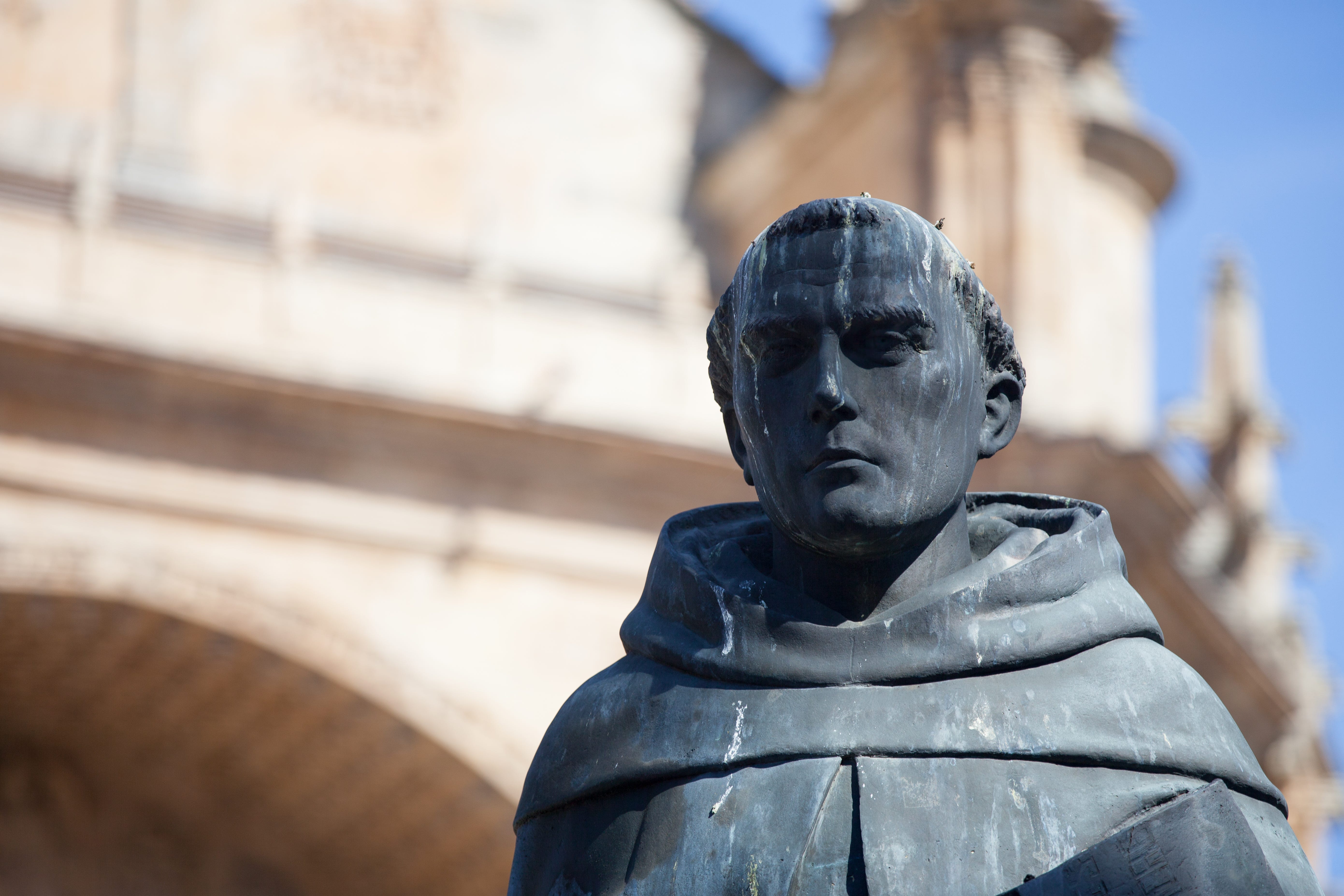
Francisco de Vitoria, O.P. (1483–1546), brought the Summa to the University of Salamanca. Today, he is widely recognized as the founder of International Law, famously using Thomistic principles to defend the natural rights of the indigenous peoples of the Americas against imperial abuses. His contemporary, Domingo de Soto, O.P. (d. 1560), was a brilliant logician, physicist, and confessor to Emperor Charles V. Another titan, Melchior Cano, O.P. (d. 1560), wrote De Locis Theologicis, effectively establishing modern fundamental theology by categorizing the hierarchy of theological sources (Scripture, Tradition, Councils, Papal Authority).
As the Spanish Crown expanded, so did this intellectual rigor. Royal and Pontifical Universities were founded in Santo Domingo (1538), Lima (1551), and Manila (1611). Thomism had ceased to be merely a European school; it had become a global enterprise.
The Council of Trent and the Doctor of the Church
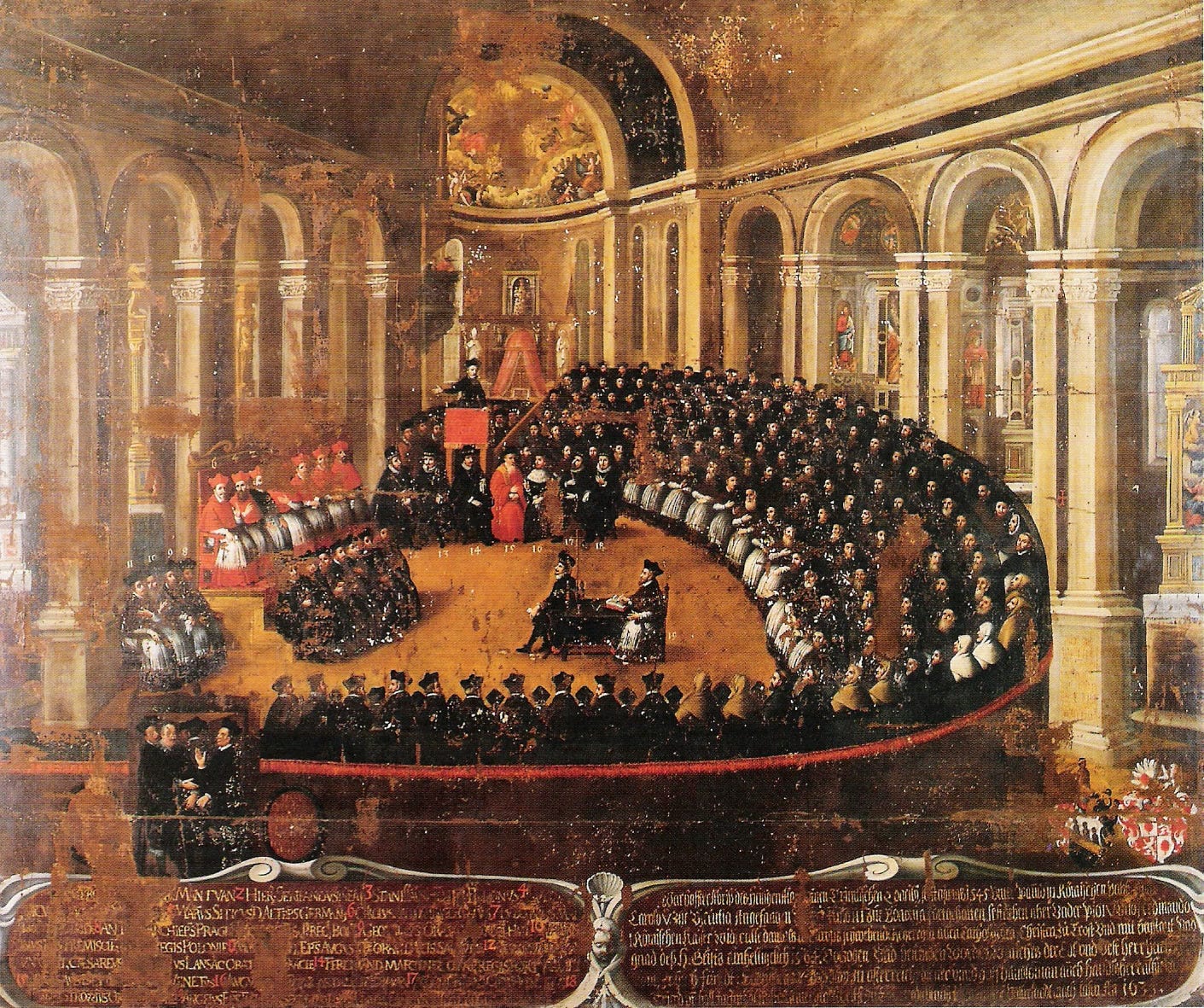
The pinnacle of this era’s magisterial triumph occurred at the Council of Trent (1545–1563). The Council’s decrees, particularly regarding justification and the sacraments, were profoundly shaped by Thomistic theology. Dozens of Dominican bishops and theologians were present, ensuring that the mind of Aquinas informed the mind of the Church.
Recent magisterial documents claimed that the Summa Theologiae was placed on the very altar of the Council alongside the Holy Bible. While, historically speaking, our first records of this seem to indicate that it is a legend from the XVII century, it nonetheless perfectly symbolizes the Angelic Doctor’s unspoken authority at Trent.
As we had seen in The Most Brilliant Light of the Church, in 1567, shortly after the Council, Pope Saint Pius V (himself a Dominican) promulgated the bull Mirabilis Deus, officially declaring Saint Thomas Aquinas a Doctor of the Church. It was only three years later, in 1570, that he ordered the publication of the “Piana Edition” of the Opera Omnia of Saint Thomas in 18 volumes.
The Great Controversies: Grace and Morals
However, this Golden Age was not entirely peaceful; it was marked by fierce internal Catholic debates in which Thomists had to fight bitterly for the truth.
The most famous of these was the De Auxiliis Controversy. The core of it happened between 1582 and 1607, but it spanned the centuries. It was an enormous clash concerning the relationship between divine grace and human free will. While it went beyond a debate between religious orders, Dominicans, such as Domingo Báñez and Diego Álvarez, defended the doctrine of physical premotion, being fiercely opposed by theologians of the newly founded Society of Jesus (the Jesuits), such as Luis de Molina and Francisco Suárez, who defended the novel theory of Scientia Media. Both parties considered themselves to be the true Thomists, with the Dominicans getting called Bañezians, and the Jesuits, Molinists. History, however, mostly gave the title of Thomists to the Dominicans. The gruelling debate ended without a dogmatic condemnation from the Pope, but it permanently solidified the strict Thomistic understanding of Grace.
Similarly, in Moral Theology, a war raged over how a Catholic ought to act in a state of moral doubt. Thomists staunchly opposed the Laxism and Probabilism often favoured by the Jesuits. Instead, guided by men like Jean-Baptiste Gonet, Daniele Concina, and Vincenzo Patuzzi, they defended Probabiliorism, arguing that one must always follow the more probable opinion in favor of the moral law.
The Dissemination Beyond the Dominicans
It is a testament to the universality of this Golden Age that Thomism could not be contained within the Dominican Order alone. I have already mentioned that Jesuits as much as Dominicans prided themselves on being the true interpreters of Aquinas.
The Discalced Carmelites of Salamanca (the Salmanticenses) produced a monumental Cursus Theologicus, strictly and faithfully following Aquinas. Their brethren in Alcalá (the Complutenses) produced equally impressive works in Philosophy and Logic.
Of course, how could I fail to mention John of St. Thomas (1589–1644)? Though he eventually became a Dominican, his studies were pursued before that. He studied first in Coimbra, and then in Louvain. He eventually joined the Dominicans in Madrid, and taught famously at Alcalá. He was universally revered. Born in Lisbon to a Portuguese mother,4 and author of both the Cursus Philosophicus Thomisticus and the Cursus Theologicus in Summam Theologicam Divi Thomae, João Poinsot became one of the greatest Thomists to ever have lived.
The Decline: The Shadows of the Enlightenment
Tragically, all golden ages must face the twilight. From 1750 onwards, Thomism faced an existential threat.
The rise of Rationalism (starting with Descartes) and the Enlightenment (championed by the likes of Voltaire and Rousseau) brought a profound, systemic hostility toward Metaphysics, the scholastic method, and revealed religion itself. Internally, the school’s prestige had been somewhat weakened by the ambiguous conclusion to the De Auxiliis controversy and the unjust, slanderous confusion of strict Augustinian-Thomism with the heresy of Jansenism.
Finally, the death blow to this era was delivered by the French Revolution (1789) and the subsequent Napoleonic Wars. The violent secularization, suppression, and physical destruction of convents, libraries, and universities across Europe brought the Golden Age of Thomism to a dark, abrupt close.
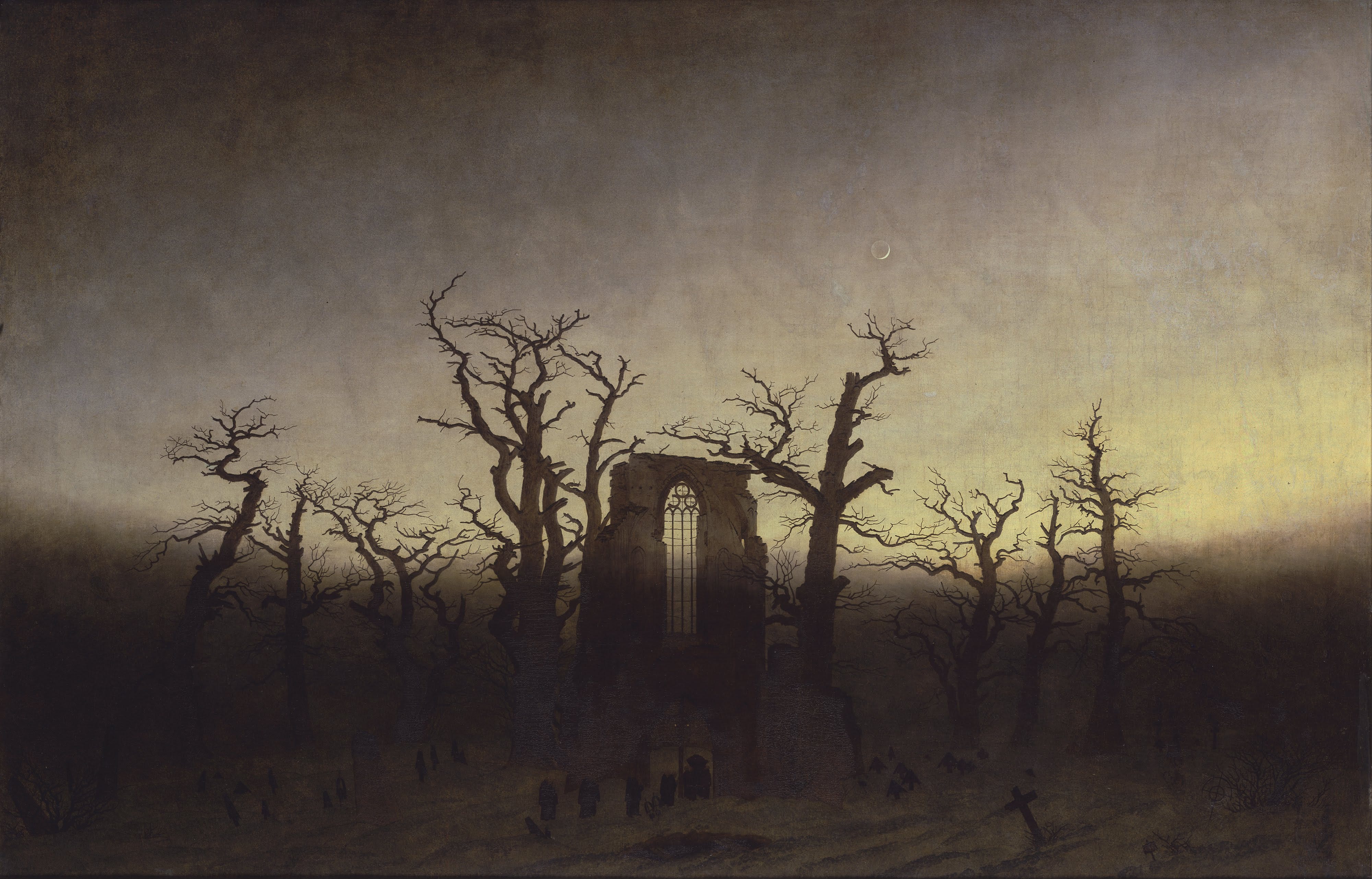
But, as we shall see next week, the light of Our Doctor was only eclipsed, never extinguished.
Others try to sell you cheap Thomism.
Consider supporting my work:
a grounded, rigorous, living, and respectable Thomism.
Today we have covered the Golden Age of Thomism, from 1401 to 1800. Next week, we will conclude our historical overview by considering the period from 1801 to the present day: the recovery of Thomism.
Gonçalo Costa
The Respectable Thomist
Bibliography
If the reader wishes to go deeper in these topics, he may consider the following works.
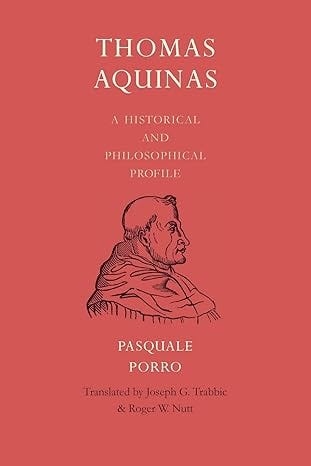
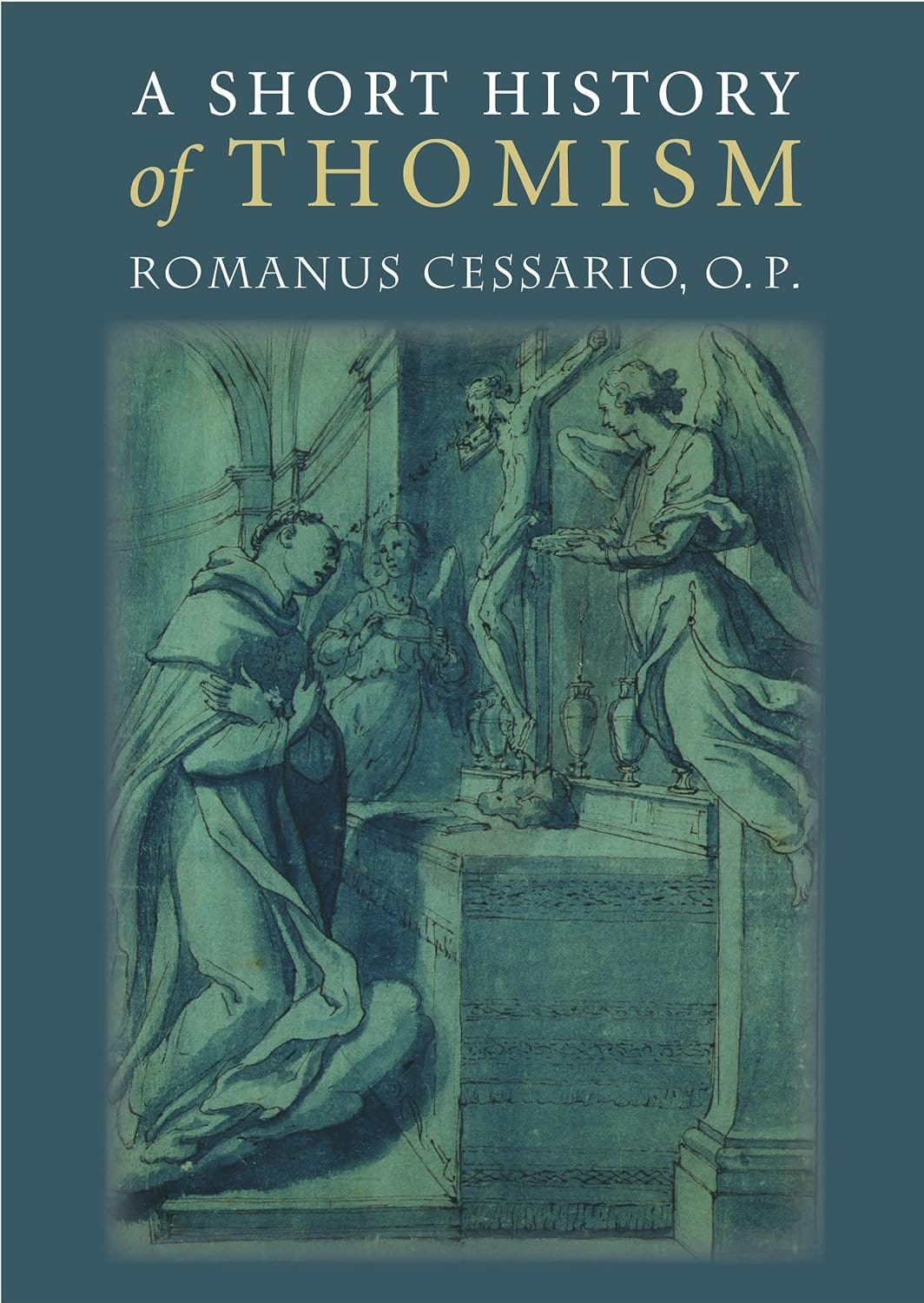
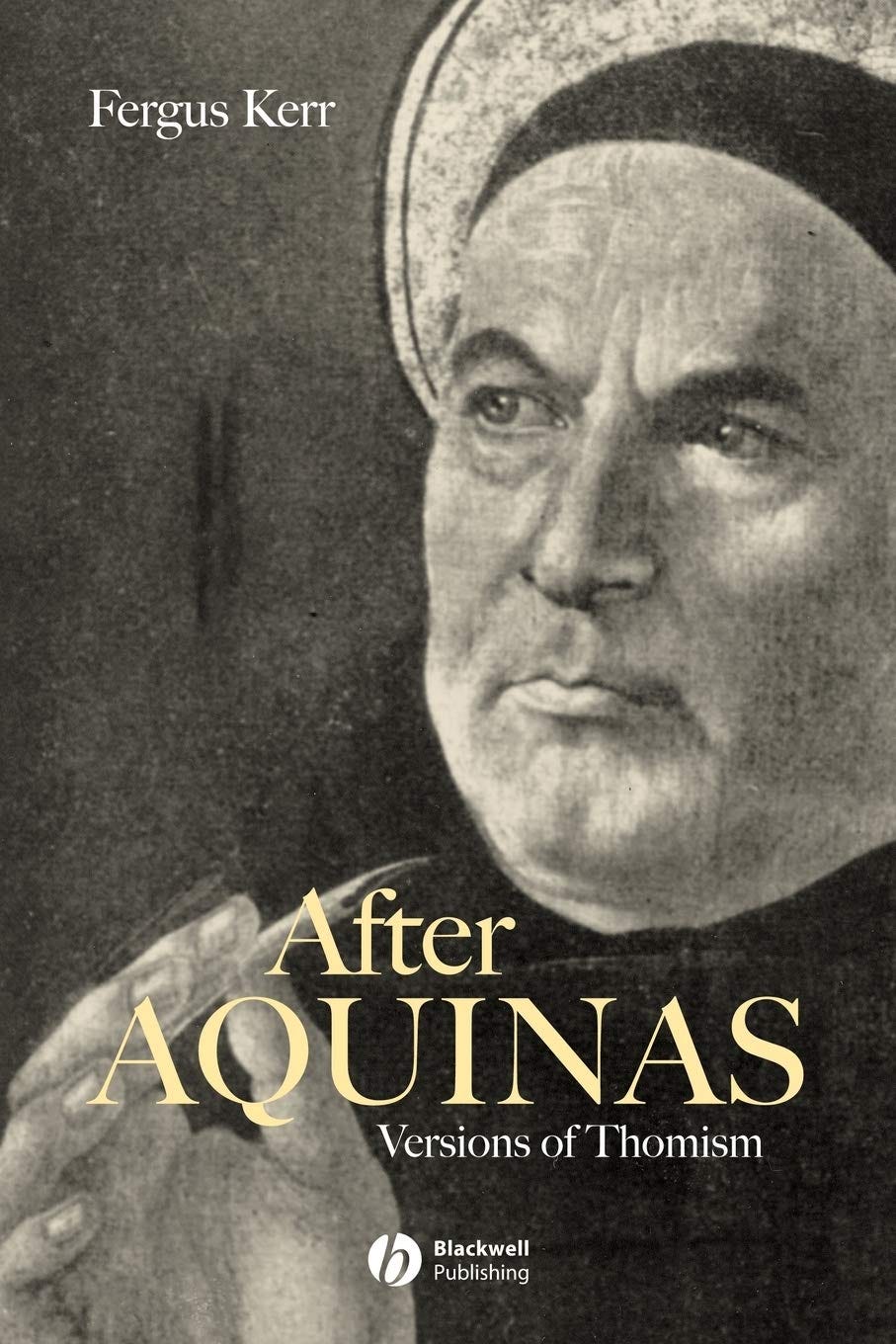
These presentations on the history of Thomism are enormously indebted to fr. Efrem Jindráček, O.P., who teaches Storia del Tomismo at the Pontifical University of Saint Thomas Aquinas, in Rome.
This work, which the reader will only profit from reading, still follows the structure of the Sentences, not the Summa.
“Cajetan” is a demonym, derived from the Latin “Cajetanus,” which in turn is an alternative spelling of “Gaietanus.” Cardinal Thomas de Vio was born in Gaeta, Italy.
I may share that, besides our common nationality, my interest in John of Saint Thomas is also academic, as my doctoral thesis focus on his interpretation of Aquinas’ fourth way for the existence of God.